









More people than ever are looking for workouts that feel both challenging and approachable. Barre blends the precision of ballet with elements of strength training and yoga, creating a low-impact yet highly effective session. If you’ve been typing “barre near me” into your phone lately, you’re part of a growing wave of adults seeking movement that supports long-term strength without high joint stress.
In 2026, the fitness landscape continues to shift toward hybrid and community-focused options. Barre studios have responded by offering flexible schedules, varied class levels, and welcoming environments for beginners through advanced practitioners. This article walks through what actually matters when choosing a class close to home.
Why Barre Has Stayed Popular
Barre classes combine small, controlled movements with higher repetitions. This approach builds endurance in the core, legs, and arms while improving posture. Many people appreciate that it feels like a dance class without needing prior dance experience.
The method appeals to a wide range of ages and fitness levels because it can be modified easily. Instructors often provide props such as light weights, resistance bands, and balls to add or reduce intensity. Over time, consistent attendance tends to improve balance and flexibility as well.
What to Expect in a Typical Session
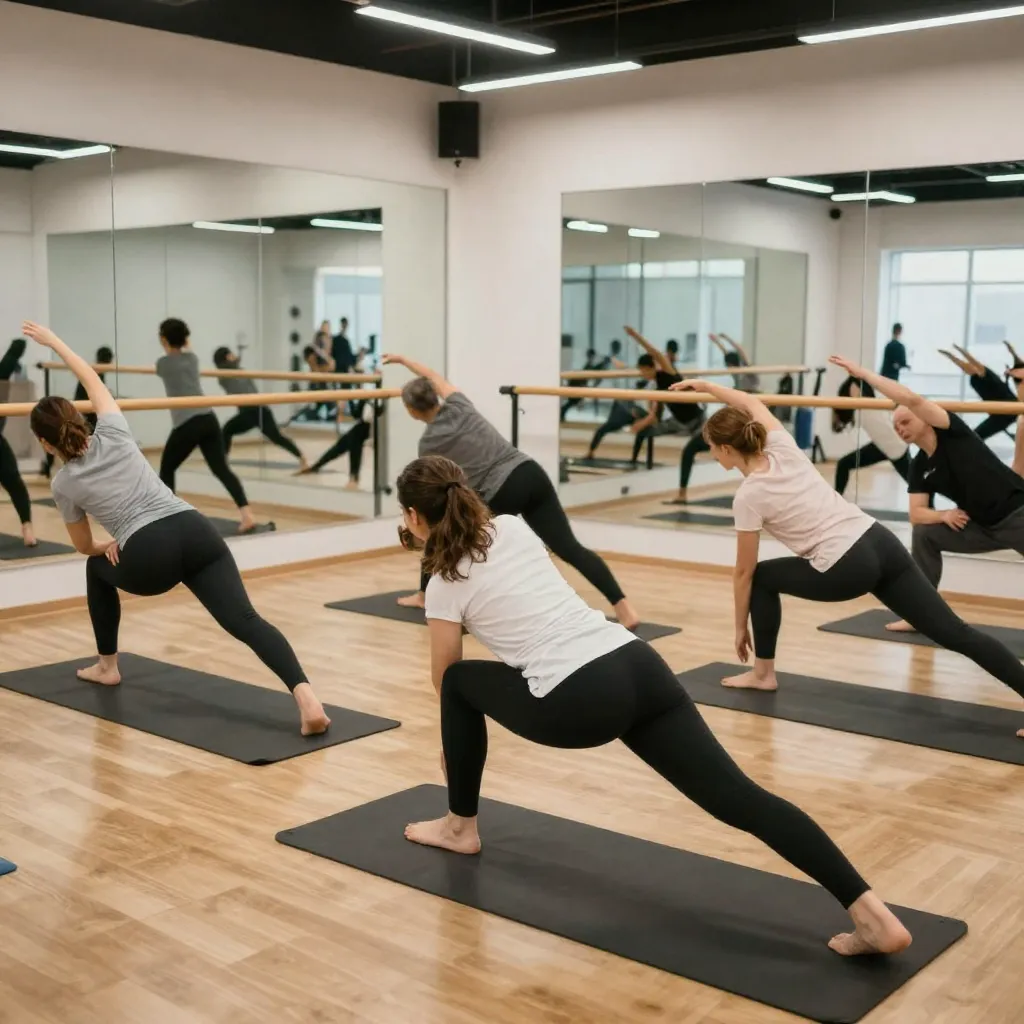
Most barre classes last 45 to 60 minutes. They usually begin with a short warm-up at the barre, followed by targeted work on different muscle groups. The final portion often includes floor work and gentle stretching.
You’ll hear cues like “tuck,” “pulse,” and “reach” throughout. Don’t worry if the language feels new at first—good instructors explain movements clearly and offer visual demonstrations. Bring a water bottle and wear grip socks if your studio requires them.
How to Evaluate Studios Near You
When comparing options, consider these practical factors:
- Location and parking — Easy access matters on busy days
- Class variety — Look for beginner, intermediate, and specialty formats
- Instructor experience — Certified teachers with continuing education tend to offer safer cues
- Studio atmosphere — Some feel energetic and social; others stay more focused and quiet
- Pricing and packages — Check whether monthly memberships or drop-in rates fit your budget
Visiting a studio for a trial class remains the best way to judge fit.
Common Concerns First-Timers Have
New students often worry about coordination or feeling out of place. In reality, most barre studios attract a mix of experience levels in the same room. Instructors are trained to give individual corrections without singling anyone out.
Another frequent question involves soreness. Because the movements target smaller stabilizing muscles, you may feel tightness in areas like the thighs or shoulders the next day. This usually fades quickly with regular practice.
Trends Shaping Barre in 2026
Many studios now blend traditional barre with strength intervals or recovery-focused sessions. Some offer evening classes designed for busy professionals, while others run early-morning options before the workday begins.
Community events have also grown. Studios host workshops on posture, nutrition, or even barre-inspired social gatherings. These additions help participants stay consistent rather than treating fitness as an isolated activity.
Why Finding the Right Fit Matters
A studio that matches your energy level and goals makes it easier to attend regularly. When the environment feels supportive, people tend to stick with the practice longer. That consistency is where real changes in strength and confidence appear.
Conversely, choosing a space that feels intimidating or inconvenient often leads to dropped memberships. Taking time to research a few options upfront can save months of frustration.
Practical Tips for Getting Started
- Search during off-peak hours so you can tour without pressure
- Ask about the average class size and whether modifications are encouraged
- Read recent student reviews on multiple platforms
- Check if the studio offers a new-client orientation or intro series
- Bring a friend the first time if it helps with nerves
These small steps turn an unknown experience into something manageable.
How Barre Fits Into a Broader Routine
Many participants combine barre with walking, swimming, or occasional strength sessions. Because it emphasizes controlled movement, it complements higher-impact activities well. Others use it as their primary workout and notice improvements in daily posture and energy.
If you’re recovering from an injury or returning after time away, speak with the instructor beforehand. Most teachers can suggest specific modifications or recommend a slower-paced class.
The Role of Community and Accountability
One underrated benefit of local barre studios is the built-in support. Seeing familiar faces each week creates a sense of belonging that solo home workouts rarely match. Instructors often remember names and progress, which adds a layer of personal encouragement.
For some, this social element becomes the reason they keep showing up when motivation dips.
Quick Information Table
Frequently Asked Questions
Is barre suitable for complete beginners?
Yes. Most studios design classes so newcomers can follow along with modifications.
How many classes per week should I start with?
Two to three sessions weekly gives your body time to adapt while building consistency.
Do I need special shoes?
Most studios prefer grip socks or bare feet. Regular sneakers are usually not allowed.
Will I get bulky muscles from barre?
The focus stays on lean strength and endurance rather than heavy lifting, so most people notice definition without bulk.
What if I have joint issues?
Many participants with knee, hip, or back concerns find barre manageable because it stays low-impact. Always check with your doctor first and inform the instructor.
How soon will I notice results?
Many people report better posture and muscle awareness within three to four weeks of regular attendance.
Are online barre classes as effective?
They can help with form reminders, but the in-studio experience usually provides better real-time corrections and community support.
Can I take barre while pregnant?
Several studios offer prenatal versions. Always get clearance from your healthcare provider and speak with the instructor before joining.
Looking Ahead
Barre continues to evolve while holding onto its core promise: accessible, precise movement that builds lasting strength. As more people seek workouts that respect both body and schedule, local studios that prioritize safety, community, and clear instruction will keep attracting new students.
The key remains finding a place where you feel comfortable showing up consistently. When that match happens, the benefits extend well beyond the studio walls. Quality instruction, welcoming spaces, and ongoing support turn a simple search into a sustainable habit that supports your well-being for years to come.