











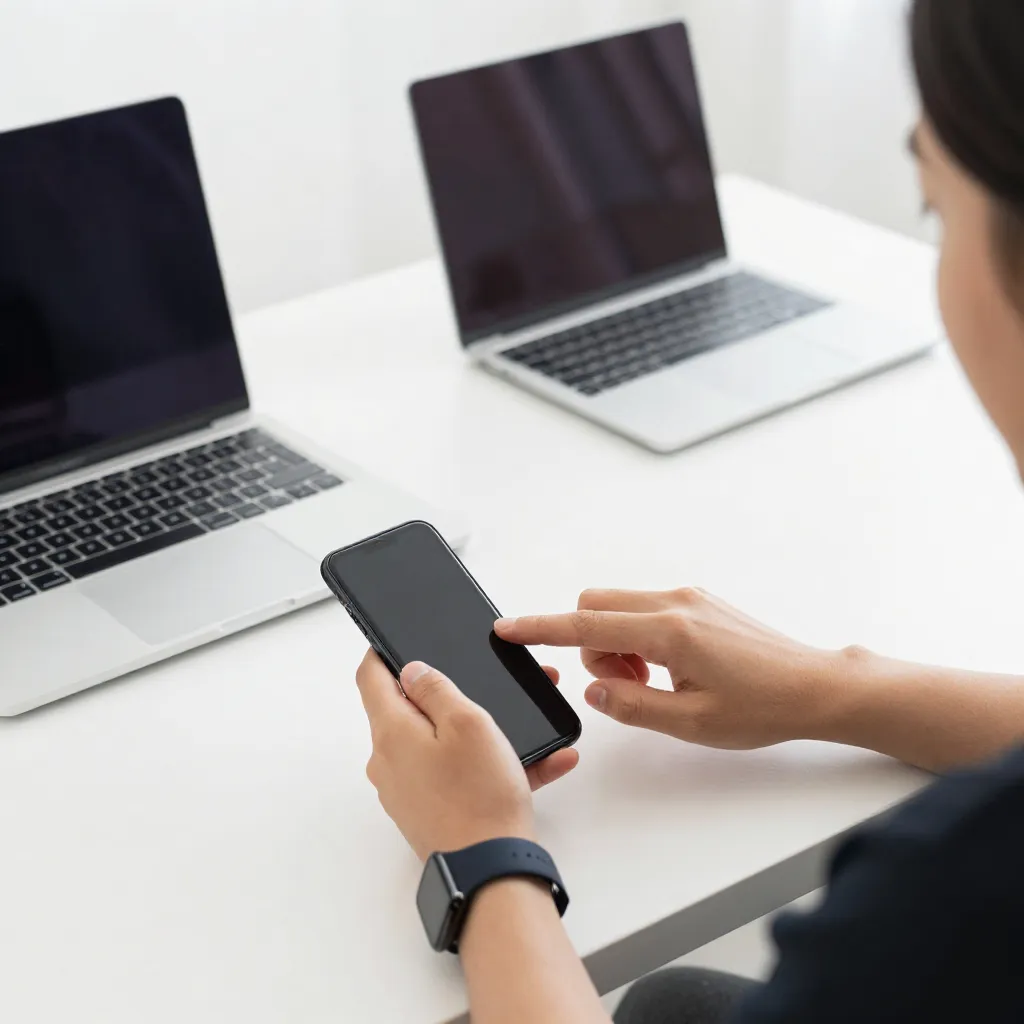
Most of us carry multiple devices every day. Phones, watches, and laptops have become constant companions. When used thoughtfully, these tools can actually help rather than harm. Many people are now exploring gadgets health as a way to stay mindful of posture, sleep, movement, and mental balance.
In 2026, the conversation has shifted from simply owning technology to using it with purpose. Devices that once seemed like distractions now offer real data and gentle reminders. The challenge lies in choosing tools that genuinely support daily well-being instead of adding another layer of noise.
Why Tech and Well-Being Are Connected
Screens and constant notifications can affect sleep, posture, and stress levels. At the same time, the same technology can track steps, remind you to stand, or guide breathing exercises. The difference often comes down to how intentionally you use each device.
When gadgets are set up with clear boundaries, they tend to reduce rather than increase overwhelm. Many people find that a few simple settings create a more supportive relationship with their tech.
How Wearables Help Track Real Progress
Smartwatches and fitness bands now measure more than steps. They can monitor heart rate variability, sleep stages, and even stress signals. This information becomes useful when you review it calmly rather than obsessing over daily numbers.
Some users report better awareness of their own patterns after a few weeks. Seeing consistent sleep data, for example, often encourages earlier bedtimes without feeling forced.
Setting Boundaries with Phones and Screens
One of the most effective steps involves simple features already built into most devices. Night mode, focus schedules, and app time limits can protect evening wind-down time. Many people notice they sleep better after turning off non-essential notifications after 8 p.m.
Another helpful habit is keeping phones out of the bedroom entirely. A basic alarm clock works just as well and removes the temptation to scroll before sleep.
Posture and Movement Reminders That Actually Work
Sitting for long periods remains common for many jobs. Devices that gently buzz when you’ve been still too long can break the cycle. Some people pair these reminders with quick stretches or a short walk.
Over time, these small interruptions train the body to move more naturally. The key is keeping the alerts infrequent enough that they stay helpful instead of annoying.
Apps That Support Mental Well-Being
Not every app adds value. The most helpful ones tend to be simple—guided breathing, short meditations, or mood check-ins. Users often find more success with tools that take just a few minutes rather than long daily commitments.
Choosing one or two trusted apps and deleting the rest reduces decision fatigue. Many people also appreciate apps that don’t push constant upgrades or social features.
Eye Care and Screen Settings Worth Using
Blue light filters and automatic brightness adjustments have become standard on most phones and laptops. Enabling these features in the evening helps reduce eye strain for many users.
Taking regular breaks using the 20-20-20 rule—looking 20 feet away for 20 seconds every 20 minutes—still ranks among the most effective habits. Devices can remind you, but the action itself matters most.
Real-World Insights from Everyday Users
People who feel most balanced with their gadgets usually set clear rules early. They might keep work apps off personal devices after certain hours or use separate profiles for leisure and productivity.
Others mention that reviewing weekly summaries from their watch or phone helps them notice patterns without daily pressure. This lighter approach tends to create lasting habits rather than short bursts of motivation.
Why It Matters for Long-Term Comfort
When devices support rather than drain energy, daily life often feels smoother. Better sleep, more movement, and fewer unnecessary notifications can reduce overall stress. These small improvements compound over months.
The goal isn’t to abandon technology—it’s to shape it so it fits your life instead of the other way around.
How to Choose Gadgets That Fit Your Needs
Before buying another device, ask what specific habit you want to support. If better sleep is the priority, a simple sleep tracker may be enough. If posture is the concern, a basic movement reminder can work.
Reading recent user experiences and checking return policies helps avoid impulse purchases that end up unused. Quality often matters more than the number of features.
Quick Information Table
Frequently Asked Questions
Do smartwatches really improve health habits?
Many users report better awareness of sleep and activity when the data feels easy to understand and not overwhelming.
How can I reduce eye strain from screens?
Enable night mode, adjust brightness automatically, and follow the 20-20-20 rule during long work sessions.
Is it better to turn off all notifications?
Not necessarily. Selective notifications for important contacts or apps often work better than complete silence.
Can gadgets help with posture?
Yes, gentle movement reminders on phones or watches can prompt you to stand or stretch regularly.
What’s the biggest mistake people make with health gadgets?
Checking data constantly or feeling discouraged by imperfect numbers. A lighter review once a week tends to work better.
Are expensive devices required?
No. Many helpful features exist on basic smartphones and free apps. Start with what you already own.
How do I keep gadgets from affecting sleep?
Keep devices out of the bedroom when possible and use focus modes or night settings in the evening.
Can technology actually reduce stress?
When used with clear boundaries, tools like breathing apps and simple trackers can support calmer routines.
Looking Ahead
Technology continues to evolve, but the real progress comes from how we choose to use it. Devices that encourage movement, better sleep, and mindful breaks are becoming easier to find and simpler to set up.
When gadgets support your daily rhythm instead of competing with it, the relationship with technology feels lighter and more useful. That balance—choosing quality tools, setting thoughtful limits, and trusting your own experience—creates the kind of steady support that grows more valuable over time.